Back home
Americano

Americano

Espresso, hot water, and the quiet science of dilution.

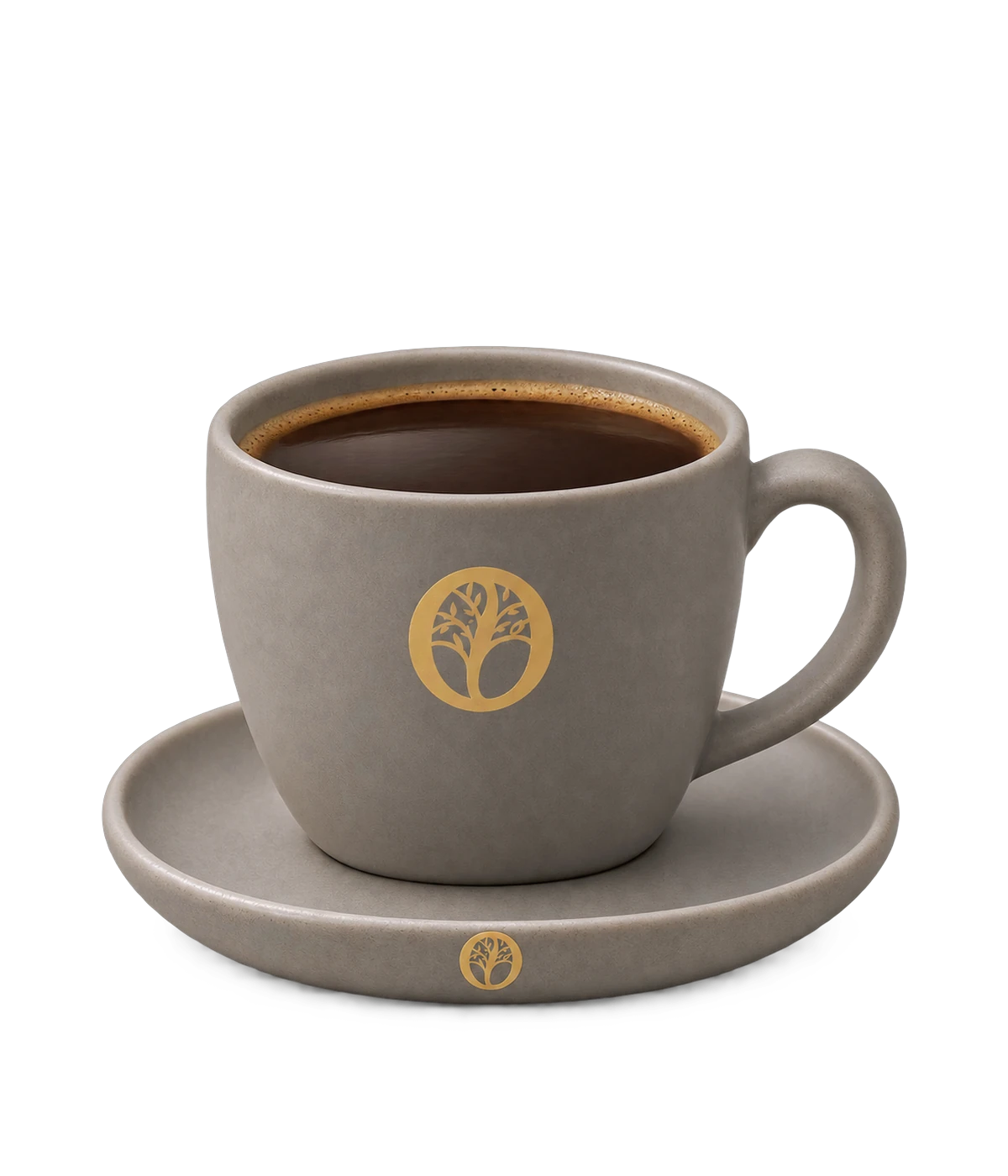
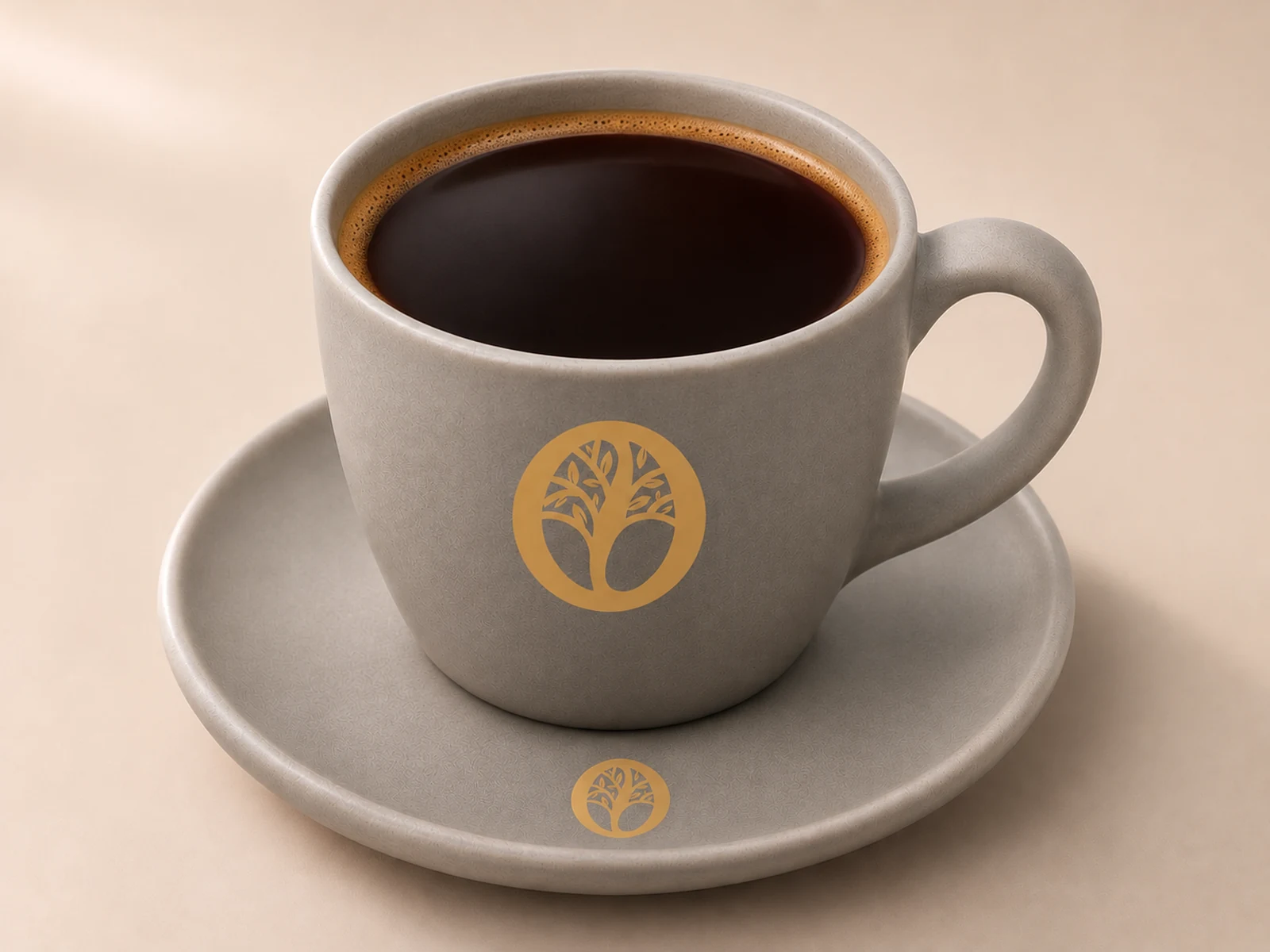
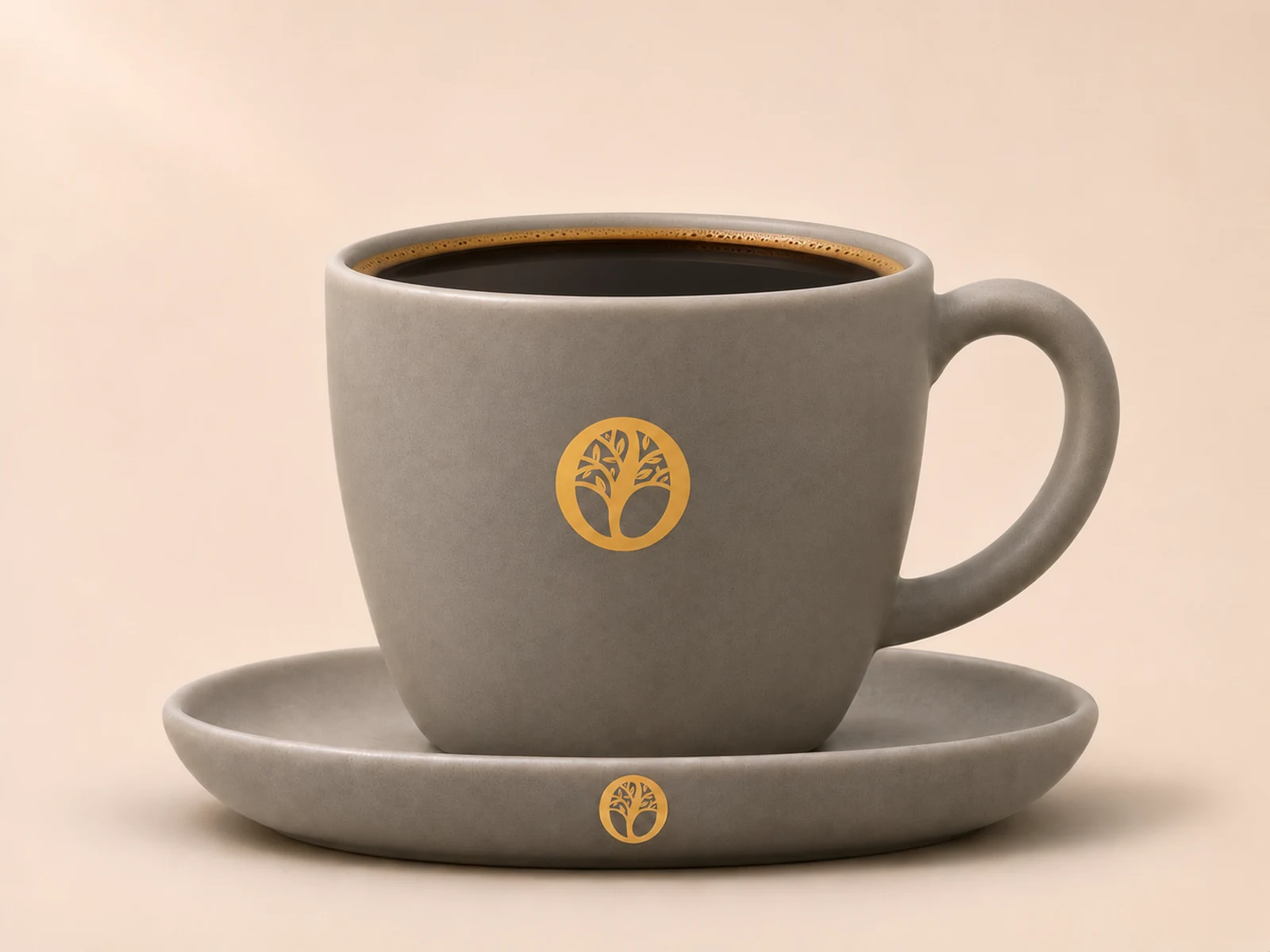
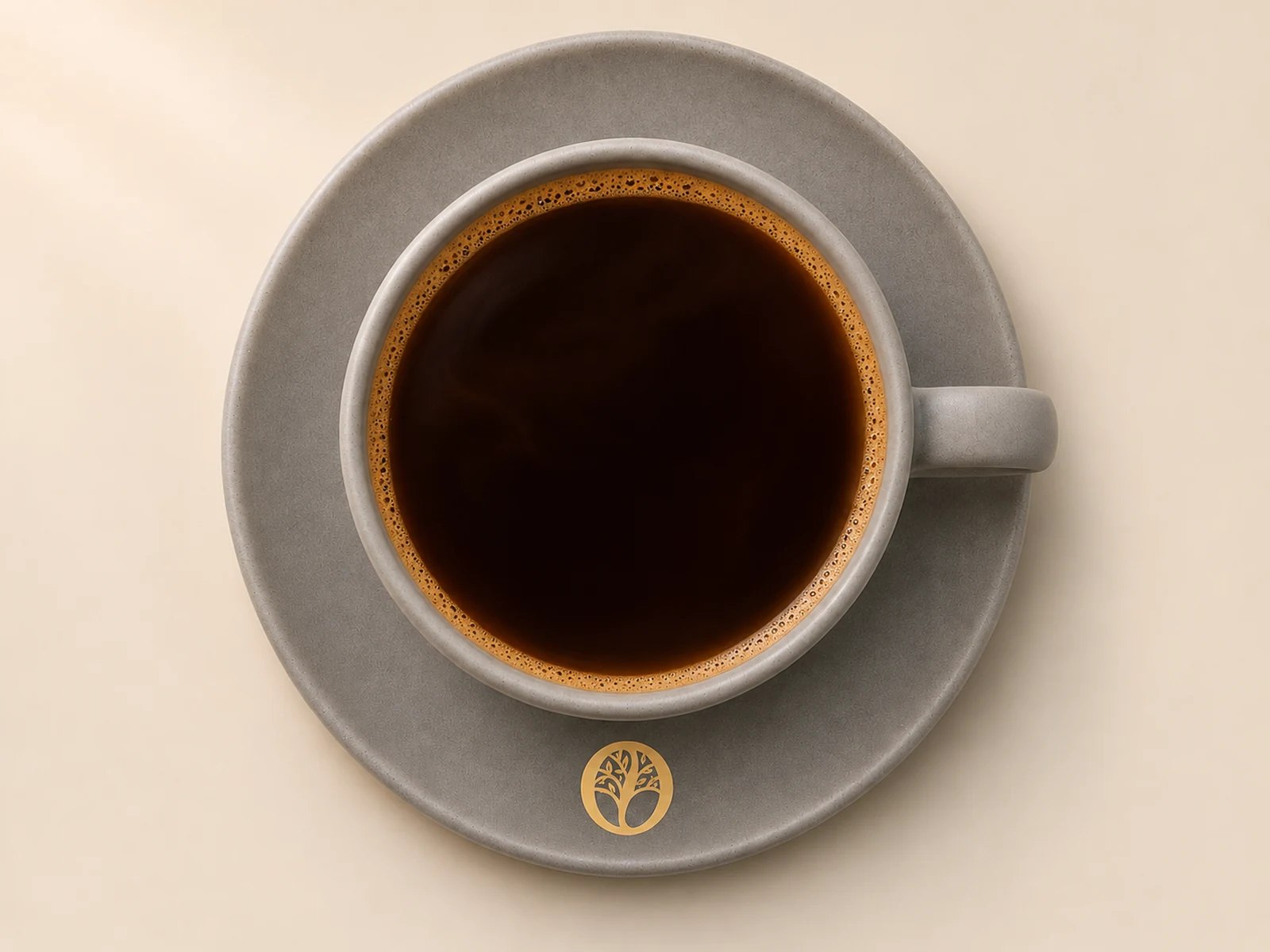
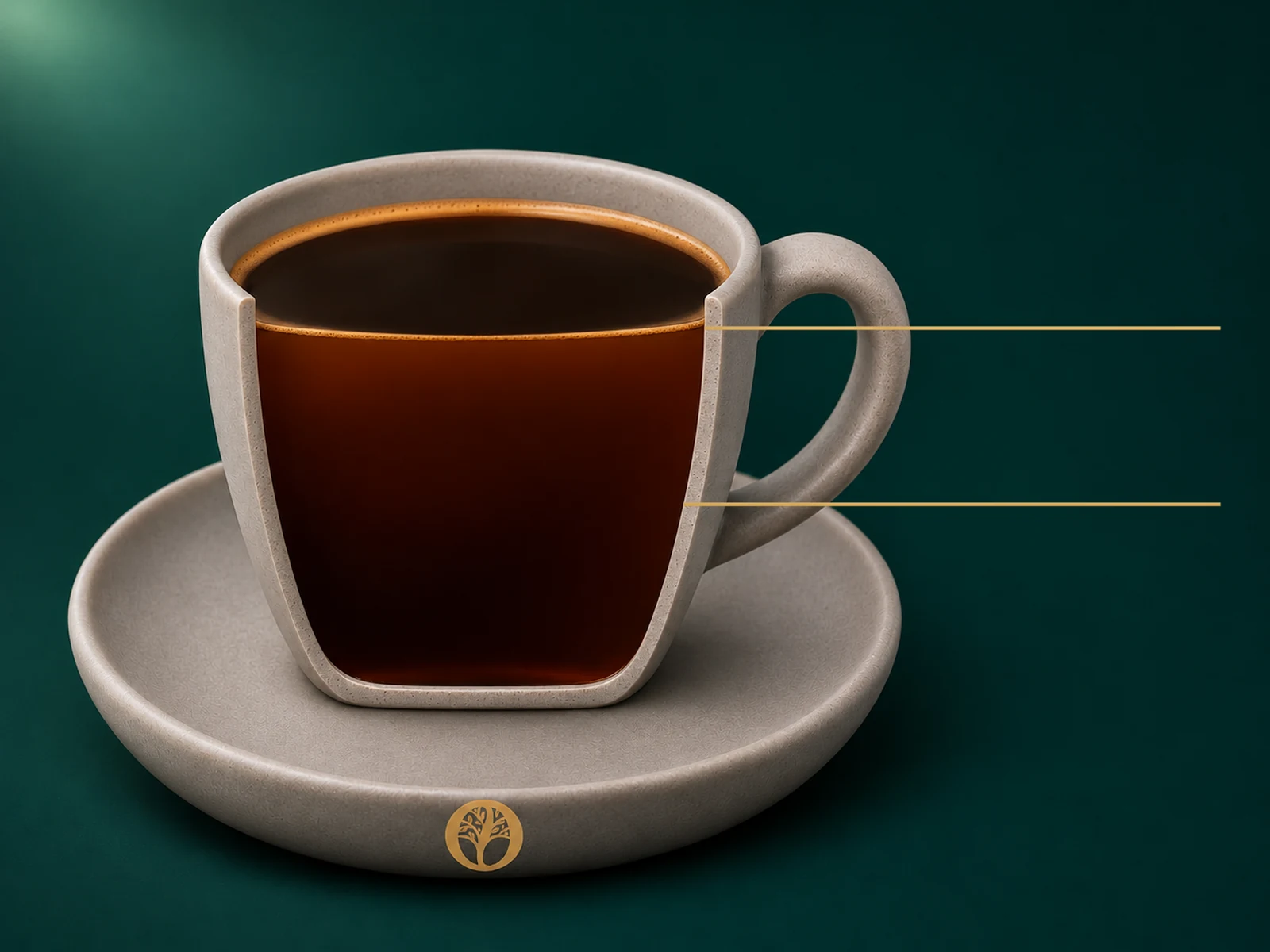
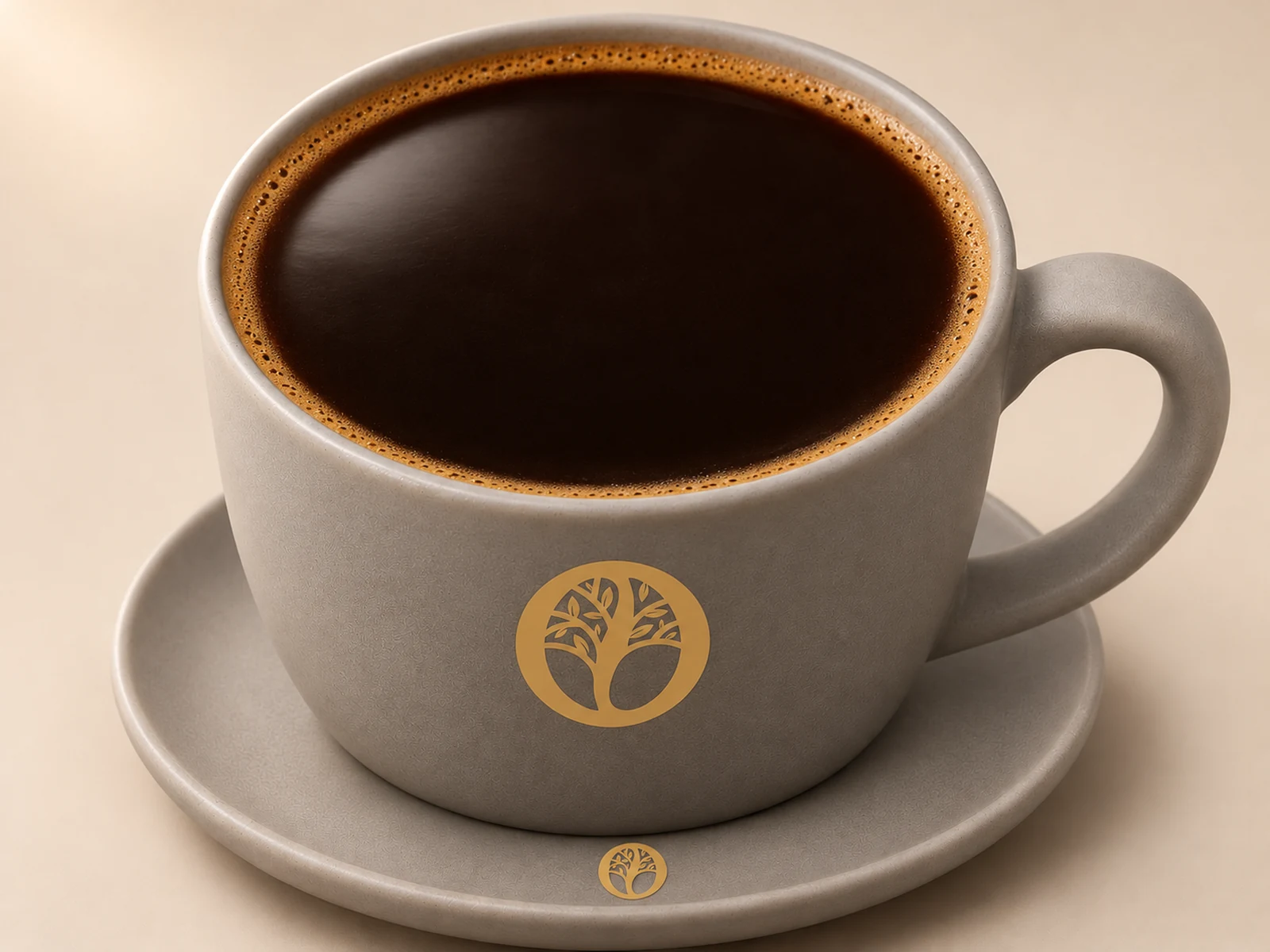
An Americano begins with espresso, topped up with hot water to create a longer black coffee. Its deep brown surface may retain a thin hazel crema ring, which changes as bubbles drain and break. There is no milk, milk foam, or latte art. Dilution lowers the concentration of coffee compounds without removing the caffeine already extracted. This profile uses a plain, unsweetened 12 oz / 355 mL serving with approximately one to two espresso shots as its reference. All quantities depend on the recipe, beans, and extraction; they are general estimates, not laboratory results or Amberdo nutrition declarations.

Composition

ComponentPer typical servingNotes
Espresso30–60 mL, approximately 1–2 shotsIllustrative recipe for a nominal 12 oz / 355 mL serving. Shot definitions and crema vary; espresso already contains brewing water.
Milk0 mLBlack coffee only: no dairy milk, plant beverage, cream, or milk foam. Added ingredients require a separate nutrition estimate.
WaterApproximately 295–325 mL separately addedPair 60 mL espresso with 295 mL hot water, or 30 mL with 325 mL. These are nominal liquid volumes; crema and headspace affect filling.
CaffeineApproximately 60–130 mgRounded from USDA’s 212 mg/100 g espresso and 29.6–59.2 g portions (usda-espresso). Actual café recipes may fall outside this illustrative range; dilution does not remove caffeine.
FatApproximately 0.05–0.11 gTrace coffee lipids, estimated from USDA espresso composition for one to two portions (usda-espresso); no milk fat. Depends on extraction and recipe.
SugarsApproximately 0 gUSDA lists 0 g sugars for the reference espresso (usda-espresso). Assumes plain water and no sugar, syrup, or sweetened topping.
ProteinApproximately 0.04–0.07 gRounded from USDA’s 0.12 g protein/100 g espresso and 29.6–59.2 g portions (usda-espresso). A trace contribution that varies with recipe.
CaloriesApproximately 3–5 kcalRounded from USDA’s 9 kcal/100 g espresso for one to two portions (usda-espresso). Water adds no calories; these recipe-dependent estimates are not Amberdo nutrition declarations.
Serving measurements
Caffeine
Approximately 60–130 mg0–200 mg
Calories
Approximately 3–5 kcal0–300 kcal
Protein
Approximately 0.04–0.07 g0–15 g

Each bar uses its own labelled scale; values are not comparable across units.

Coffee chemistry

Roasting and brown colour

Roasting transforms sugars and amino compounds through Maillard reactions, producing brown melanoidins and aromatic molecules. Other thermal reactions also contribute. These compounds help shape the Americano’s deep brown colour and roasted character; bean selection and roast conditions influence the result. [4]

Chlorogenic acids and flavour

Coffee contains chlorogenic acids, a family of phenolic compounds altered during roasting. Some become lactones and other products associated with bitterness. Adding water lowers their concentration, but perceived acidity also depends on other acids and the surrounding chemical balance; dilution is not equivalent to neutralising acids. [5]

Extraction before dilution

Hot water extracts soluble compounds from ground coffee under pressure. Grind size, flow, dose, yield, and temperature influence the espresso’s composition. Experiments show that changing extraction temperature can alter chemical and sensory characteristics. Water added afterwards dilutes the prepared shot; it does not continue extraction through the coffee bed. [6] [7]

Strength, volume, and caffeine

For a fixed espresso dose, adding water reduces caffeine and dissolved-solids concentration per millilitre while leaving their total amounts approximately unchanged. This follows from dilution, not an Americano-specific trial. Research in drip coffee links strength with sensory differences. A longer, gentler-tasting cup therefore need not contain less caffeine, and café espresso doses vary widely. [3] [8] [11]

Crema and the hazel ring

Espresso crema is a gas-bubble foam, largely associated with carbon dioxide released from roasted coffee, rather than milk. After topping up with water, a thin hazel ring may remain around the dark surface as the foam redistributes and decays. Espresso studies suggest crema influences aroma release; this does not establish an ideal ring thickness for an Americano. [9] [10]

Wellbeing

  • Alertness

    Studies suggest caffeine can temporarily increase alertness and reduce sleepiness. The response depends on dose, habitual intake, and personal sensitivity. A diluted espresso retains the caffeine supplied by its shots, even when its flavour feels lighter. [2] [3]

  • Coffee polyphenols

    Studies suggest chlorogenic acids and their metabolites have biological activity. Antioxidant effects in laboratory settings do not establish a specific health benefit from one Americano. Dilution changes concentration, while the starting espresso and individual metabolism influence exposure. [5]

  • Fluid contribution

    An Americano contributes fluid. A controlled study in habitual male coffee drinkers found similar hydration measures during moderate coffee and water intake. This supports a possible fluid contribution under those conditions; it does not establish the same response for every person, dose, or setting. [12]

  • Sleep and sensitivity

    Caffeine may affect sleep duration and patterns, particularly near bedtime; EFSA notes effects in some adults at around 100 mg. Timing, sensitivity, and caffeine from other drinks matter. Adding more water cannot make an unchanged espresso dose caffeine-free. [2]

Health Canada recommends a maximum of 400 mg caffeine daily from all sources for most healthy adults, and 300 mg for people who are pregnant, planning pregnancy, or breastfeeding. These are upper limits, not intake targets. This profile offers general food information, not medical advice. [1]

For general information only; not medical advice. Values vary with recipe and serving size.

Serving

For this Amberdo Cafe, Vancouver profile, the serving reference is espresso topped up with hot water: a hot black coffee with a deep brown surface and a possible thin hazel crema ring. Amberdo’s exact recipe, vessel, and temperature have not been verified.

Prepared with hot espresso and hot water. The final temperature depends on both liquids, their ratio, the cup, and time before drinking; no numeric serving temperature is asserted as an Amberdo specification.

A nominal 12 oz / 355 mL cup provides the reference for this page. Actual fill volume, headspace, cup size, and material may differ with the café’s recipe and service.

Illustrative paired recipes: 30 mL espresso plus 325 mL hot water, or 60 mL espresso plus 295 mL hot water. These give approximately 1:11 to 1:5 espresso-to-added-water ratios by volume. This is a dilution ratio, not the ground-coffee-to-water extraction ratio.


Sources

  1. Health Canada. Caffeine in Foods. Government of Canada; accessed 2026-11-14.
  2. EFSA NDA Panel (2015). Scientific Opinion on the safety of caffeine. EFSA Journal, 13(5), 4102.
  3. USDA Agricultural Research Service (2015). National Nutrient Database for Standard Reference, Release 28, NDB 14210: Beverages, coffee, brewed, espresso, restaurant-prepared. Per 100 g: 9 kcal, 0.12 g protein, 0.18 g fat, 0 g sugars, 212 mg caffeine; 29.6 g per US fluid ounce. Ingredient estimates, not measurements of this drink.
  4. Ludwig, I. A., Clifford, M. N., Lean, M. E. J., Ashihara, H., & Crozier, A. (2014). Coffee: biochemistry and potential impact on health. Food & Function, 5, 1695–1717.
  5. Clifford, M. N., Jaganath, I. B., Ludwig, I. A., & Crozier, A. (2017). Chlorogenic acids and the acyl-quinic acids: discovery, biosynthesis, bioavailability and bioactivity. Natural Product Reports, 34, 1391–1421.
  6. Schmieder, B. K. L., et al. (2023). Influence of Flow Rate, Particle Size, and Temperature on Espresso Extraction Kinetics. Foods, 12(15), 2871.
  7. Salamanca, C. A., Fiol, N., González, C., Saez, M., & Villaescusa, I. (2017). Extraction of espresso coffee by using gradient of temperature. Effect on physicochemical and sensorial characteristics of espresso. Food Chemistry, 214, 622–630.
  8. Batali, M. E., Ristenpart, W. D., & Guinard, J.-X. (2020). Brew temperature, at fixed brew strength and extraction, has little impact on the sensory profile of drip brew coffee. Scientific Reports, 10, 16450. Evidence on strength and sensory perception in drip coffee, not an Americano-specific trial.
  9. Illy, E., & Navarini, L. (2011). Neglected Food Bubbles: The Espresso Coffee Foam. Food Biophysics, 6, 335–348.
  10. Barron, D., et al. (2012). Impact of crema on the aroma release and the in-mouth sensory perception of espresso coffee. Food & Function, 3, 923–930.
  11. Crozier, T. W. M., Stalmach, A., Lean, M. E. J., & Crozier, A. (2012). Espresso coffees, caffeine and chlorogenic acid intake: potential health implications. Food & Function, 3, 30–33.
  12. Killer, S. C., Blannin, A. K., & Jeukendrup, A. E. (2014). No Evidence of Dehydration with Moderate Daily Coffee Intake: A Counterbalanced Cross-Over Study in a Free-Living Population. PLOS ONE, 9(1), e84154.

What our guests say

4.9 ★ · 151 Google reviews

  • ★★★★★

    Quality brew, great service and lovely pastries! What more to ask for on a rainy day 😌

    Lotta
  • ★★★★★

    Wow what a gem. Had ham and cheese croissant that was absolutely delicious! Almond croissant was very fresh and tasty! They do have professional coffee machine but i had tea. Ambiance and service are great too! And the prices are very fair to say the least. I’m surprised there isn’t a line out the door here! Absolutely recommend this place!

    KS B.
  • ★★★★★

    Best croissant outside of Europe

    Cheré C.
  • ★★★★★

    A lovely, quiet café with a cozy and relaxing atmosphere. The food is delicious, especially the cinnamon roll and sandwich. The coffee is very smooth.

    SY C.
  • ★★★★★

    Beautiful café run by an incredibly friendly family! Had an oat milk latte, and it was excellent. Highly recommend!

    Jacob A.
  • ★★★★★

    Thank you for the wonderful café you’ve created; your coffee and pastries are exceptional.

    ali z.
  • ★★★★★

    Best cafe in the area Very lovely place and good quality

    Leila h.
  • ★★★★★

    Super good perfect balance of matcha milk coffee and sweetness please don’t ever change hahah

    y L.
  • ★★★★★

    A bit expensive but good!

    William H.

From our Instagram