Back home
Flat White

Flat White

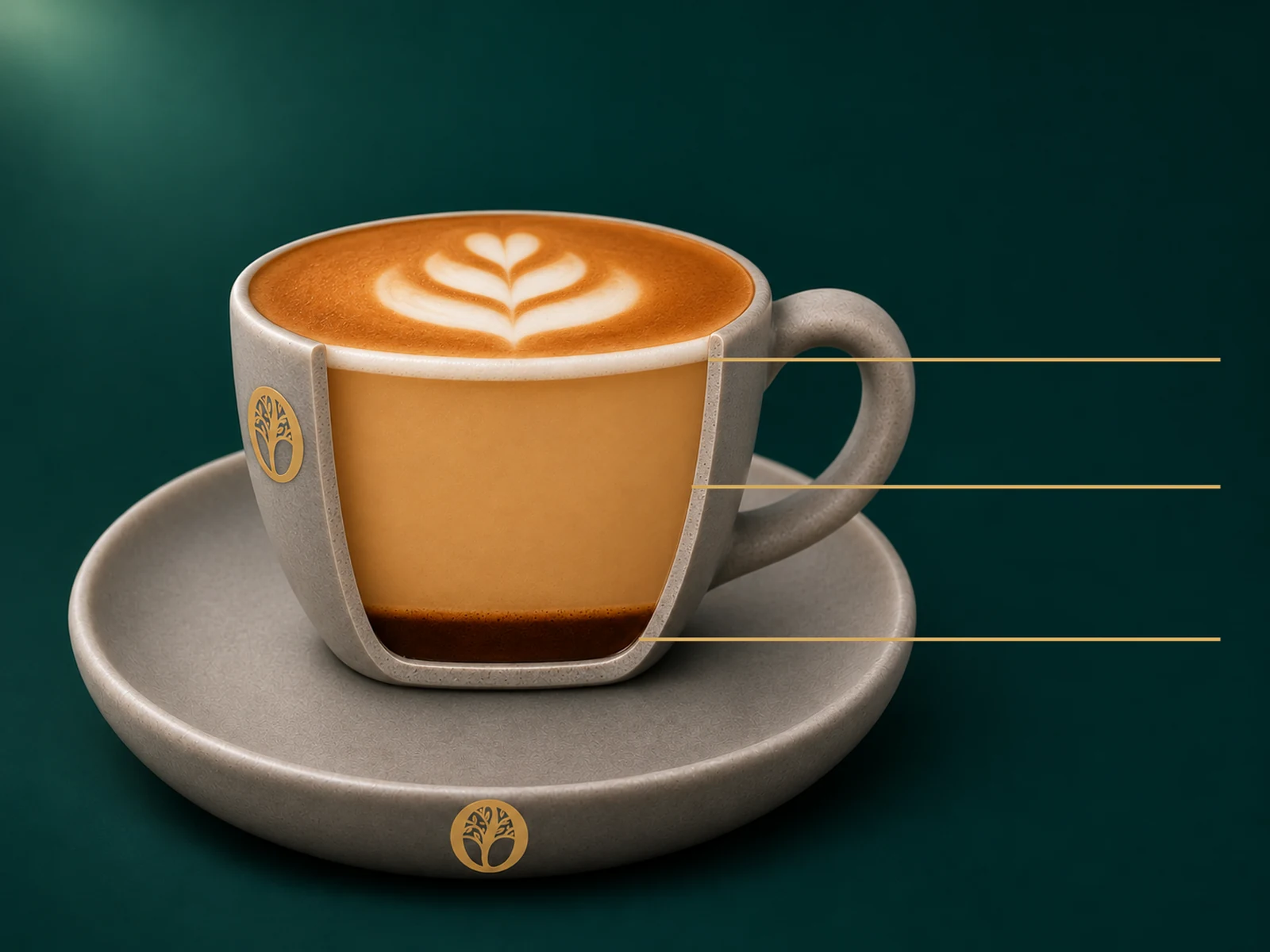
Concentrated espresso, velvety milk, and a quietly flat surface.

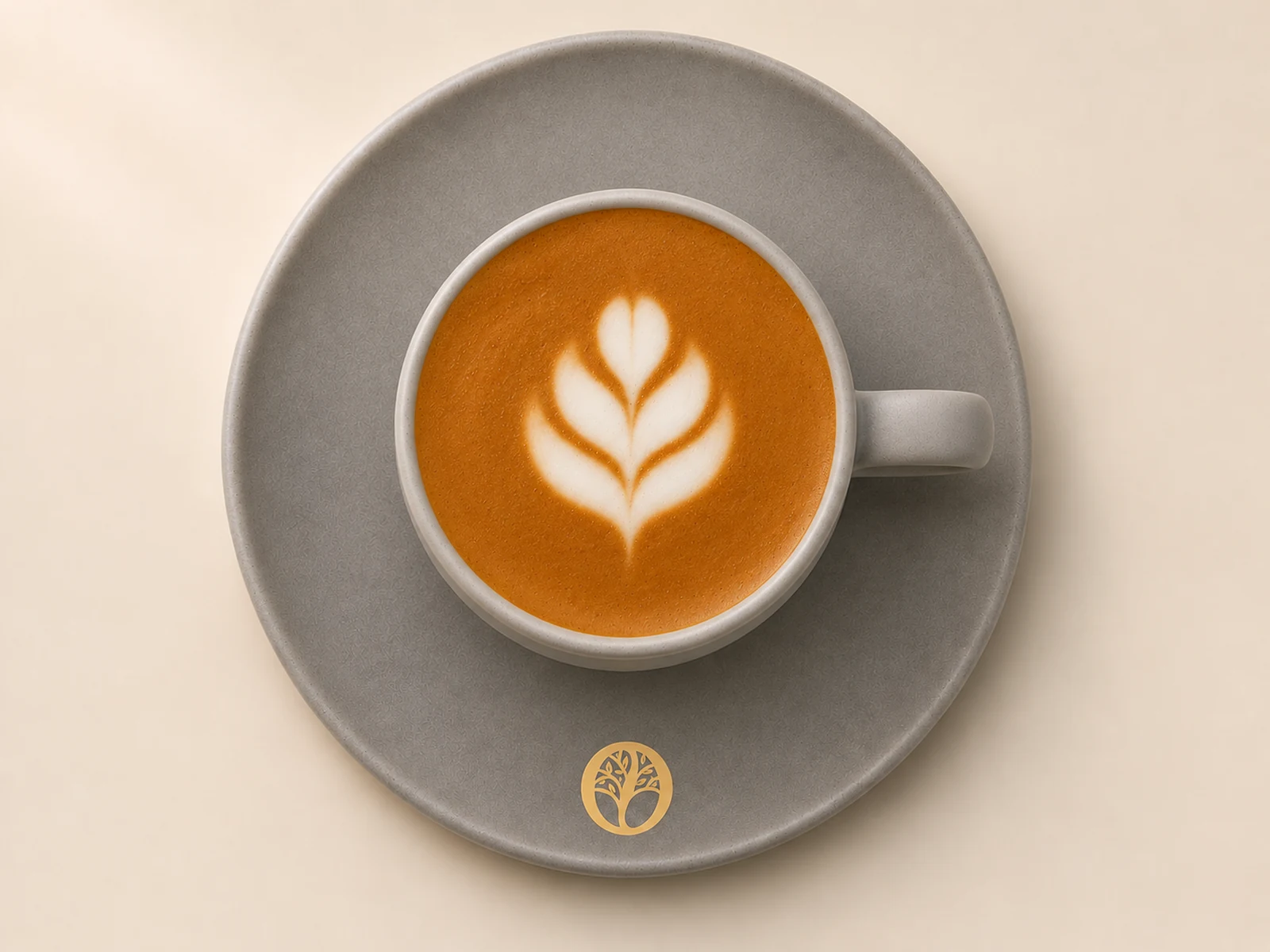
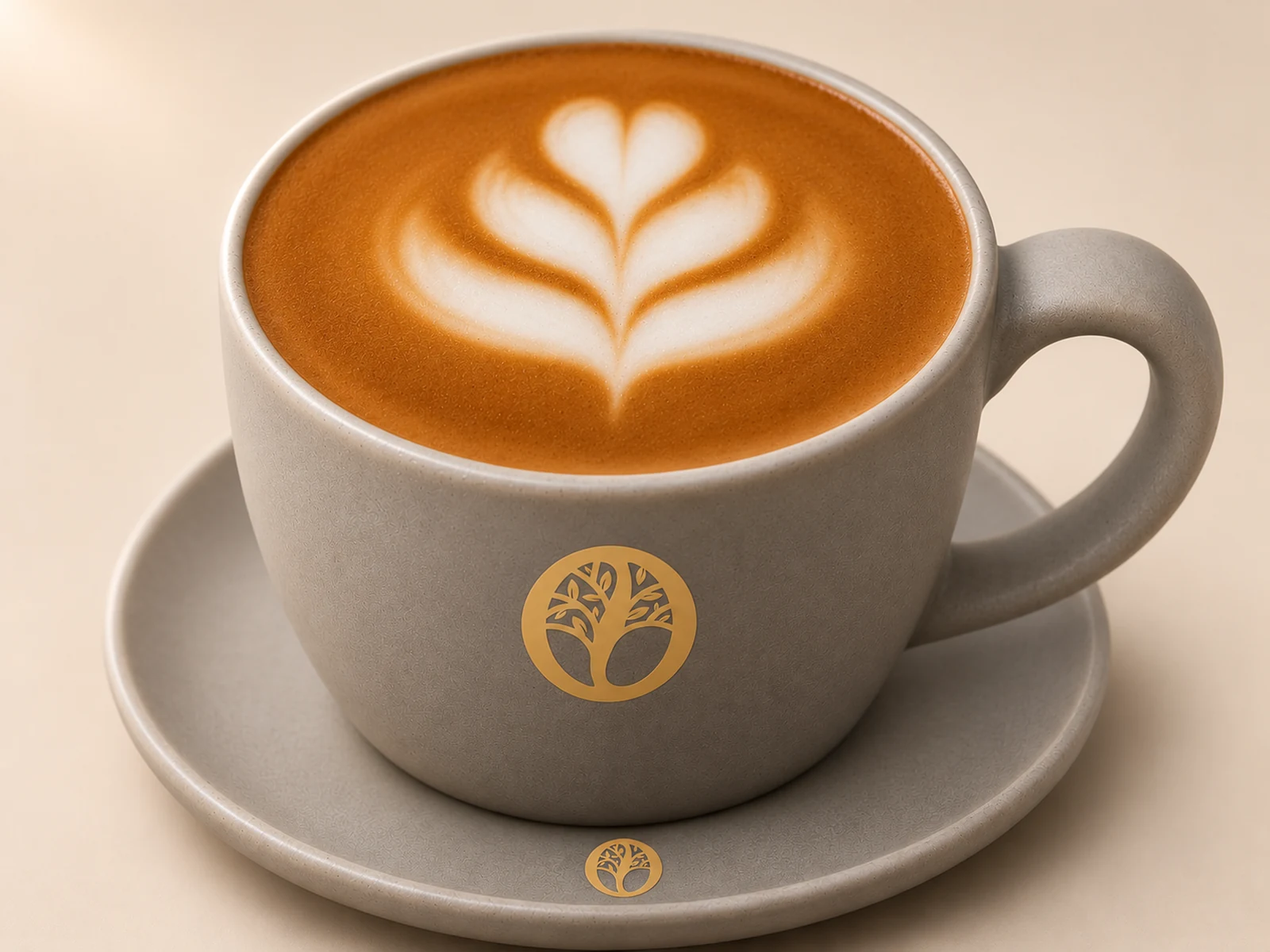
A flat white brings espresso and steamed milk together beneath a thin, integrated layer of velvety microfoam. A smaller cup, rich coffee colour, and a small, neat tulip give the visual its restrained character; the surface sits level with the rim. Compared with a foamier cappuccino, less incorporated air leaves more of the cup occupied by liquid. Recipes and cup sizes vary. For consistent nutrition comparisons, this page uses an unsweetened dairy 12 oz / 355 mL reference serving, larger than the compact cup illustrated. These are recipe-dependent estimates, not laboratory results or Amberdo nutrition declarations.

Composition

ComponentPer typical servingNotes
EspressoApproximately 60 mL, a double-shot referenceShot definitions and crema vary. The 12 oz / 355 mL reference uses two shots; a ristretto recipe needs its own dose and yield assessment.
Milk250–275 mL before steamingUnsweetened skim to whole dairy milk. Thin microfoam adds modest volume; starting liquids need not total 355 mL. Plant beverages require separate estimates. Excludes milk with added milk solids.
Water0 mL separately addedWater is already present in espresso and milk. A little condensed steam enters during steaming; this is not a separate water layer or an added dilution step.
CaffeineApproximately 80–130 mgRounded double-espresso reference range from EFSA and USDA examples, not a measured café range. Bean, dose and extraction can give values outside it; milk does not remove caffeine.
FatApproximately 0–9 gPrimarily from 250–275 mL skim to whole dairy milk; the recipe and milk fat percentage determine the amount.
SugarsApproximately 13–16 gMainly naturally occurring lactose in dairy milk. Assumes no added sugar, syrup, or sweetened topping; rounded values vary with the recipe.
ProteinApproximately 8–10 gMainly milk casein and whey proteins, calculated from standard dairy composition and the stated milk quantity; plant-based recipes differ.
CaloriesApproximately 90–180 kcalRounded estimates for 250–275 mL skim to whole milk plus espresso, based on Health Canada and USDA reference composition. Not laboratory results or Amberdo nutrition declarations; recipe-dependent.
Serving measurements
Caffeine
Approximately 80–130 mg0–200 mg
Calories
Approximately 90–180 kcal0–300 kcal
Protein
Approximately 8–10 g0–15 g

Each bar uses its own labelled scale; values are not comparable across units.

Coffee chemistry

Roasting, aroma, and colour

Roasting transforms coffee sugars and amino compounds through Maillard chemistry and other thermal reactions. Melanoidins contribute brown colour, while volatile compounds help create roasted and nutty aromas. Milk lightens the espresso; a higher coffee-to-milk proportion can preserve a richer coffee colour, although roast and extraction also matter. [5]

Chlorogenic acids and flavour

Chlorogenic acids are coffee phenolics that change during roasting. Their transformation products, including lactones, contribute to bitterness. Perceived acidity also depends on other organic acids, concentration, and the milk matrix. A smooth flat white may still contain these compounds; softness on the palate does not measure its chemical acidity. [6] [5]

Thin microfoam and the liquid ratio

Milk proteins adsorb at air–water interfaces and help stabilize bubbles; heating also changes whey-protein structure. Controlled aeration and mixing create fine bubbles dispersed through the milk. The flat-white style uses a thin, integrated foam layer rather than a high foam cap. Less air means a larger liquid fraction at a given cup volume, not an automatic reduction in milk nutrients. [7] [8]

Extraction and caffeine

Grind, flow, temperature, dose, and beverage yield shape espresso extraction. Shorter shots are not automatically lower in caffeine. For the approximately 60 mL double-shot reference, EFSA’s 80 mg example and USDA’s approximately 63 mg per fluid ounce support a rounded 80–130 mg comparison range. Café studies show wider variation; these examples cannot establish Amberdo’s caffeine content. [9] [2] [4] [11]

Milk composition and texture

The nutrition estimates scale Health Canada’s skim-to-whole milk entries to 250–275 mL and add USDA espresso composition, with rounded endpoints. Air contributes volume without protein or energy, so a thin surface cannot establish the milk quantity. Fat, protein composition, processing, and temperature may all affect foam formation and stability; the small tulip is a pouring pattern, not a nutrition indicator. [3] [4] [8] [12]


Wellbeing

  • Alertness

    Studies suggest caffeine may temporarily increase alertness and reduce sleepiness. The response varies with dose, usual intake, and individual sensitivity. A smaller cup and a smooth milk texture do not reliably indicate less caffeine. [2] [11]

  • Coffee polyphenols

    Studies suggest chlorogenic acids and their metabolites have biological activity. Antioxidant findings in experimental settings do not establish a specific benefit from one flat white. Absorption and metabolism differ, and outcomes depend on dose and context. [6]

  • Milk nutrients

    Dairy milk provides high-quality protein and calcium. Studies suggest dairy can contribute to nutrient adequacy within a balanced diet. The stated milk quantity supplies approximately 290–360 mg calcium; plant beverages differ in protein and fortification. [10] [3]

  • Sleep and sensitivity

    Studies suggest caffeine may affect sleep, particularly when taken close to bedtime; sensitivity and timing matter. Milk does not neutralize this effect. Lactose intolerance and milk allergy also influence whether a dairy recipe is suitable. [2] [10]

Health Canada recommends a maximum of 400 mg caffeine daily from all sources for most healthy adults, and 300 mg for people who are pregnant, planning pregnancy, or breastfeeding. These are upper limits, not intake targets. This profile provides general food information, not medical advice. [1]

For general information only; not medical advice. Values vary with recipe and serving size.

Serving

This Amberdo Cafe, Vancouver profile describes a general flat-white style. The compact cup and tulip are visual direction; Amberdo’s exact recipe, cup size, and preparation temperature have not been verified.

Steaming temperature affects foam and depends on milk composition. Warm, pourable milk with fine bubbles is the texture reference; finished temperature varies with the espresso, cup, and pouring time. No Amberdo temperature specification is asserted.

Illustrate a smaller café cup with rich coffee colour and a flat surface level with the rim. Nutrition uses a separate nominal 12 oz / 355 mL reference; do not assign those totals to the smaller illustrated cup.

Illustrative 355 mL recipe: approximately 60 mL espresso and 250–275 mL milk before steaming, about 1:4 to 1:4.6 by starting liquid volume. Fine microfoam and condensed steam add volume. Use a thin, integrated surface and a small neat tulip; there is no universal foam percentage.

Sources

  1. Health Canada. Caffeine in Foods. Government of Canada; accessed 2026-11-14.
  2. European Food Safety Authority. Caffeine: safety assessment and approximate caffeine contents of foods. Espresso example: 80 mg per 60 mL; accessed 2026-11-14.
  3. Health Canada (2008). Nutrient Value of Some Common Foods: Dairy Foods and Other Related Products. Skim through whole milk entries, per 250 mL; scaled to 250–275 mL for rounded estimates.
  4. USDA Agricultural Research Service (2015). National Nutrient Database for Standard Reference, Release 28, NDB 14210: Beverages, coffee, brewed, espresso, restaurant-prepared. Per 100 g: 9 kcal, 0.12 g protein, 0.18 g fat, 0 g sugars, 212 mg caffeine; 29.6 g per US fluid ounce. Ingredient estimates, not measurements of this drink.
  5. Ludwig, I. A., Clifford, M. N., Lean, M. E. J., Ashihara, H., & Crozier, A. (2014). Coffee: biochemistry and potential impact on health. Food & Function, 5, 1695–1717.
  6. Clifford, M. N., Jaganath, I. B., Ludwig, I. A., & Crozier, A. (2017). Chlorogenic acids and the acyl-quinic acids: discovery, biosynthesis, bioavailability and bioactivity. Natural Product Reports, 34, 1391–1421.
  7. Ho, T. M., Bhandari, B. R., & Bansal, N. (2022; online 2021). Functionality of bovine milk proteins and other factors in foaming properties of milk: a review. Critical Reviews in Food Science and Nutrition, 62(17), 4800–4820.
  8. Huppertz, T. (2010). Foaming properties of milk: A review of the influence of composition and processing. International Journal of Dairy Technology, 63, 477–488.
  9. Schmieder, B. K. L., Pannusch, V. B., Vannieuwenhuyse, L., Briesen, H., & Minceva, M. (2023). Influence of Flow Rate, Particle Size, and Temperature on Espresso Extraction Kinetics. Foods, 12(15), 2871.
  10. Thorning, T. K., et al. (2016). Milk and dairy products: good or bad for human health? An assessment of the totality of scientific evidence. Food & Nutrition Research, 60, 32527.
  11. Ludwig, I. A., et al. (2014). Variations in caffeine and chlorogenic acid contents of coffees: what are we drinking? Food & Function, 5, 1718–1726. Café measurements demonstrate variability beyond reference examples.
  12. Kamath, S., Huppertz, T., Houlihan, A. V., & Deeth, H. C. (2008). The influence of temperature on the foaming of milk. International Dairy Journal, 18(10–11), 994–1002.

What our guests say

4.9 ★ · 151 Google reviews

  • ★★★★★

    Quality brew, great service and lovely pastries! What more to ask for on a rainy day 😌

    Lotta
  • ★★★★★

    Wow what a gem. Had ham and cheese croissant that was absolutely delicious! Almond croissant was very fresh and tasty! They do have professional coffee machine but i had tea. Ambiance and service are great too! And the prices are very fair to say the least. I’m surprised there isn’t a line out the door here! Absolutely recommend this place!

    KS B.
  • ★★★★★

    Best croissant outside of Europe

    Cheré C.
  • ★★★★★

    A lovely, quiet café with a cozy and relaxing atmosphere. The food is delicious, especially the cinnamon roll and sandwich. The coffee is very smooth.

    SY C.
  • ★★★★★

    Beautiful café run by an incredibly friendly family! Had an oat milk latte, and it was excellent. Highly recommend!

    Jacob A.
  • ★★★★★

    Thank you for the wonderful café you’ve created; your coffee and pastries are exceptional.

    ali z.
  • ★★★★★

    Best cafe in the area Very lovely place and good quality

    Leila h.
  • ★★★★★

    Super good perfect balance of matcha milk coffee and sweetness please don’t ever change hahah

    y L.
  • ★★★★★

    A bit expensive but good!

    William H.

From our Instagram