Cool water. Slow extraction. A profile shaped by roast.
Cold brew draws flavour from roasted coffee through prolonged contact with cool water. Lower temperatures slow extraction, so time, grind size and the coffee-to-water ratio shape the finished cup. Depending on the beans and roast, its profile may suggest cocoa, toasted nuts or fruit, with a rounded texture and restrained bitterness. Perceived smoothness does not establish low acidity or low caffeine; both depend on preparation. This profile considers a typical 12 oz (355 mL) serving of unsweetened black cold brew. Milk, syrup, ice and concentrate strength change its composition, so the figures below are illustrative ranges rather than Amberdo-specific nutrition data.
Composition
Component
Per typical serving
Notes
Espresso
0 mL
Conventional cold brew uses coffee extracted in cool water; it contains no espresso shots.
Milk
0 mL in the reference serving
Unsweetened black baseline. Optional 30–60 mL milk changes fat, sugars, protein and calories; a recipe example, not a confirmed Amberdo option.
Water
Approximately 345–355 mL total water
Includes water already in the filtered brew and any dilution water, before ice. It is not an additional volume to add.
Caffeine
Approximately 100–250 mg
Illustrative ready-to-drink 355 mL range, not concentrate. Species, dose and dilution can exceed it; no Amberdo caffeine measurement is available.
Fat
Approximately 0–0.2 g
Estimated for plain, filtered coffee; recipe and filtration affect the amount.
Sugars
Approximately 0–0.5 g
Unsweetened black coffee. Sweet aromas do not imply added sugar; milk and syrups increase sugars.
Protein
Approximately 0–1 g
Plain coffee contributes little protein. Added dairy milk supplies more.
Calories
Approximately 2–10 kcal
Recipe-dependent estimates for 12 oz/355 mL liquid before ice; not laboratory results or an Amberdo nutrition declaration.
Serving measurements
Caffeine
Approximately 100–250 mg0–250 mg
Calories
Approximately 2–10 kcal0–300 kcal
Protein
Approximately 0–1 g0–15 g
Each bar uses its own labelled scale; values are not comparable across units.
Coffee chemistry
Roasting builds the aromatic foundation
During roasting, Maillard reactions between sugars and amino compounds generate aroma molecules, including pyrazines associated with roasted notes. Cold extraction draws on chemistry established in the roaster. [5]
Cool water changes extraction
Lower temperature slows diffusion and changes compound solubility. Immersion commonly takes roughly 12–24 hours; temperature, grind and agitation determine the useful endpoint. Extending time does not increase every compound equally. [8][5]
Chlorogenic acids and measured acidity
Chlorogenic acids remain in brewed coffee, with amounts shaped by roast and extraction. pH reflects hydrogen-ion activity on a logarithmic scale; titratable acidity measures the base needed to reach a specified endpoint. Matched hot and cold brews can have similar pH despite different titratable acidity. [4]
Caffeine follows strength and dilution
Caffeine dissolves during cold extraction. A cool brew can still contain substantial caffeine when the coffee dose is high. Dilution lowers caffeine per millilitre; it lowers the serving dose only if less concentrate is used. [5]
Filtration, ice and texture
Melting ice progressively dilutes the coffee. In plain, non-nitrogenated cold brew, the surface is usually still; steamed-milk microfoam and espresso crema are not expected. [8]
Wellbeing
Alertness
Studies suggest caffeine can temporarily improve alertness and sustained attention. It blocks adenosine receptors, with effects that depend on dose and habitual use. [3]
Coffee polyphenols
Studies suggest chlorogenic acids have biological activity, while laboratory assays show antioxidant activity in coffee. These findings do not establish a particular health benefit from a serving of cold brew. [6][4]
Milk, if added
Studies suggest dairy can help meet nutrient needs. Dairy milk contributes calcium and protein; plain black cold brew provides little of either. Contributions depend on the amount and type of milk. [7]
Sleep and sensitivity
Studies suggest caffeine can disturb sleep, even at doses below daily guidance. Timing and individual sensitivity matter; a smaller serving may suit people who experience restlessness. [2]
Health Canada recommends up to 400 mg caffeine/day from all sources for most healthy adults; its lower maximum is 300 mg/day during pregnancy, when planning pregnancy or while breastfeeding. [1]
For general information only; not medical advice. Values vary with recipe and serving size.
Serving
Serving reference for Amberdo Cafe, Vancouver. Confirmed café specifications were not supplied; temperature, vessel and ratios below are general examples rather than statements of Amberdo practice.
Chilled, approximately 4–8 °C before ice; a reference range rather than a measured Amberdo serving temperature.
A 12 oz/355 mL cup or glass is the reference vessel. Ice displaces liquid, so a filled cup may contain less than 355 mL of coffee.
For ready-to-drink immersion, an illustrative starting ratio is 1 g ground coffee to 12–16 mL water. For concentrate, dilution depends on its initial strength; there is no universal concentrate-to-water ratio. Amberdo’s ratios are not confirmed.
A closer look
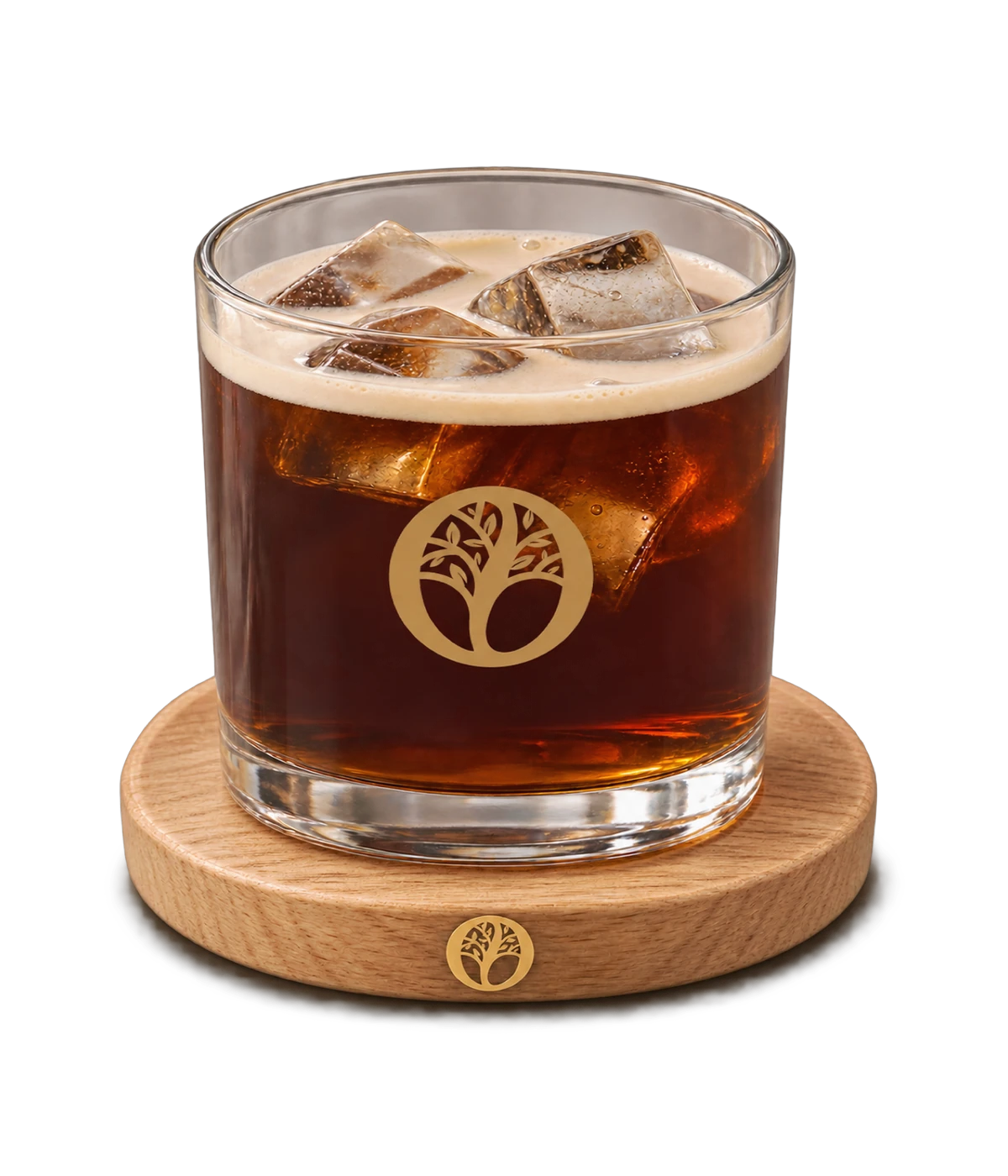
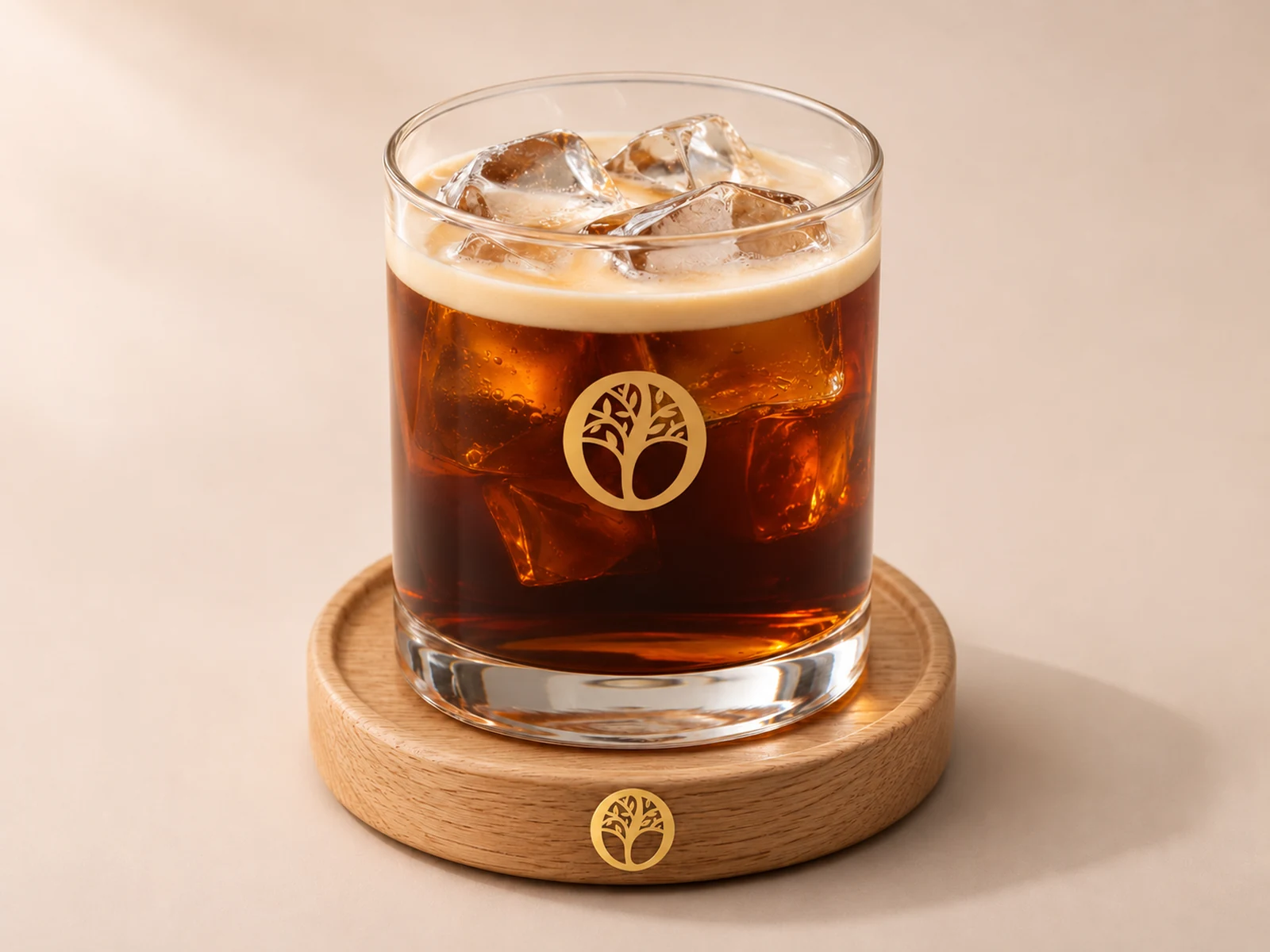
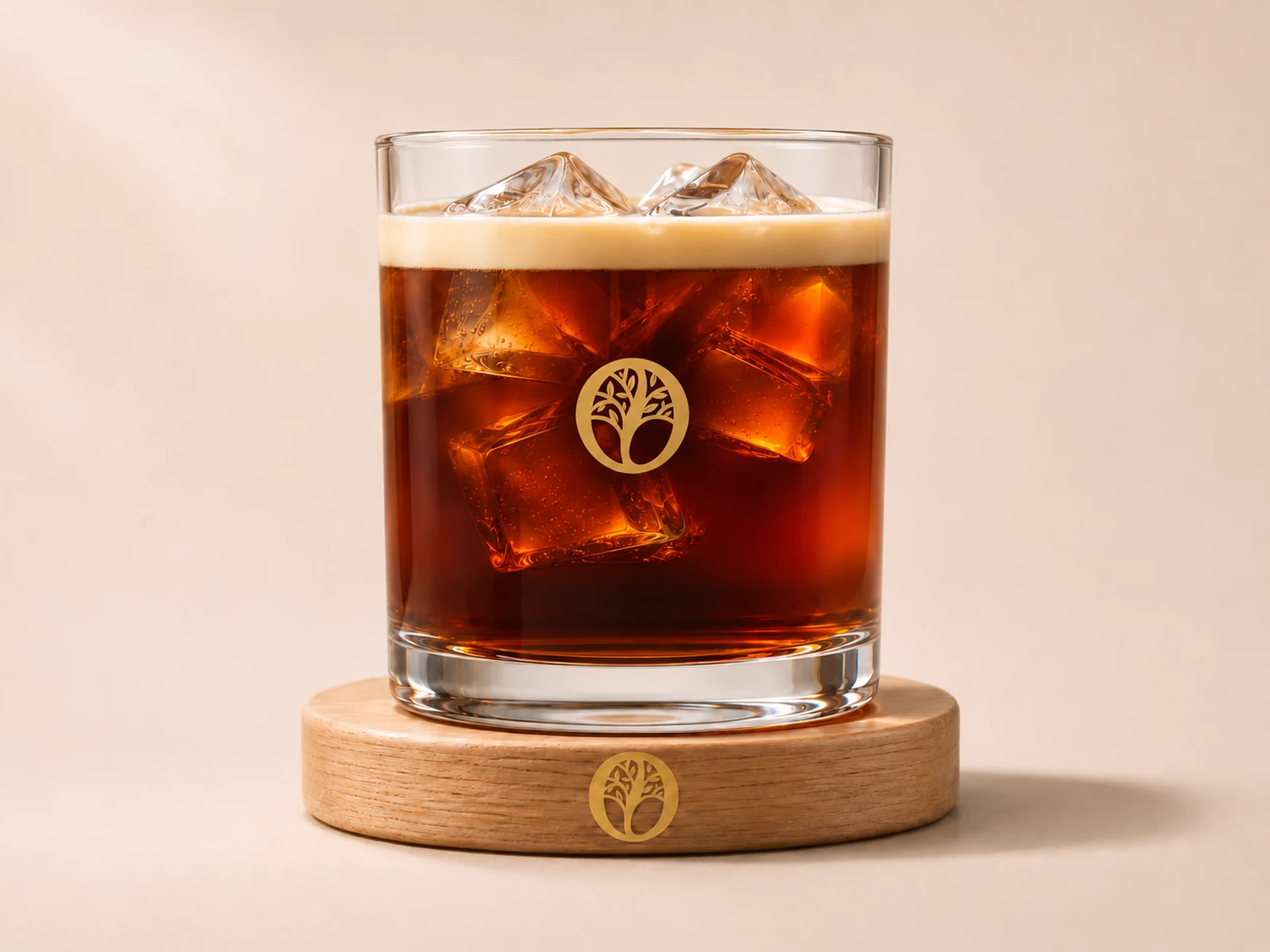
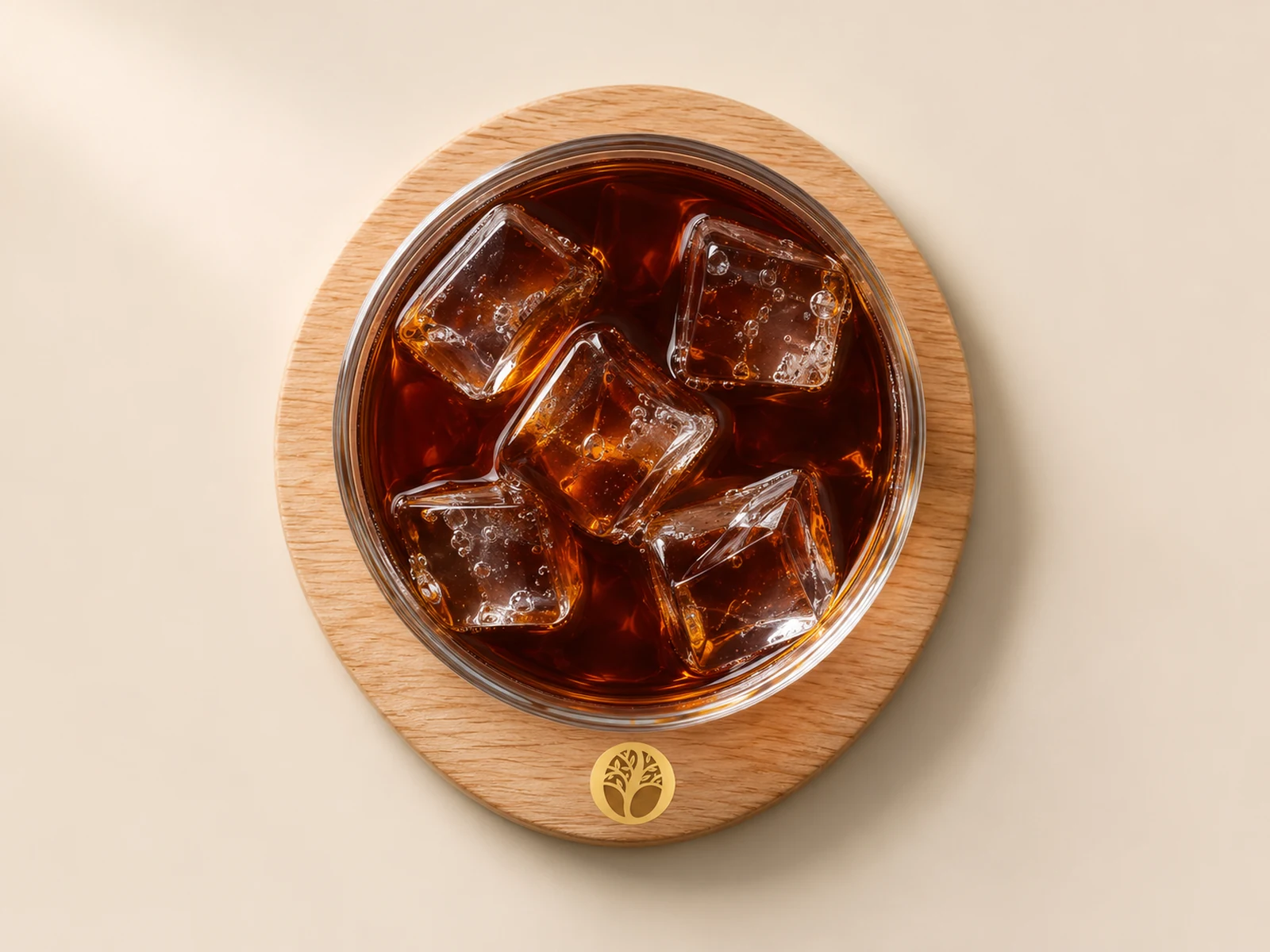
Cold brew over ice, seen at three quarters.A dark coffee body behind clear ice.The quiet surface of black cold brew.Ice and coffee meet in translucent planes.Light along the ice and coffee interface.
Quality brew, great service and lovely pastries! What more to ask for on a rainy day 😌
★★★★★
Wow what a gem. Had ham and cheese croissant that was absolutely delicious! Almond croissant was very fresh and tasty! They do have professional coffee machine but i had tea. Ambiance and service are great too! And the prices are very fair to say the least. I’m surprised there isn’t a line out the door here! Absolutely recommend this place!
★★★★★
Best croissant outside of Europe
★★★★★
A lovely, quiet café with a cozy and relaxing atmosphere. The food is delicious, especially the cinnamon roll and sandwich. The coffee is very smooth.
★★★★★
Beautiful café run by an incredibly friendly family! Had an oat milk latte, and it was excellent. Highly recommend!
★★★★★
Thank you for the wonderful café you’ve created; your coffee and pastries are exceptional.
★★★★★
Best cafe in the area Very lovely place and good quality
★★★★★
Super good perfect balance of matcha milk coffee and sweetness please don’t ever change hahah